

Agenda Resource Management™ Ltd. is delighted to announce the appointment of Ross Millard as Managing Director. Ross brings with him over 18 years’ experience and knowledge in the life sciences industry. Ross joins the business from Tecniplast UK where he was Sales Director for the business.
With full responsibility for the leadership and development of Agenda’s business, Ross will play a key role in meeting the company’s growth plans, as well as building on the company’s outstanding reputation for service to clients.
Paul Sanders, Chairman of Agenda Resource Management™ Ltd. said “Ross’s track record, industry experience and contacts in the industry are second to none and we are thrilled to have him on board. Attracting someone of Ross’s calibre into the business is a great endorsement of our strategy and ambition. He brings with him incredibly strong knowledge and experience, which is vital as we continue our ambitious plans to grow and develop our business for our clients.”
Ross Millard added “Agenda has a deserved reputation in the Life Science and Pre-Employment Screening sectors. It has a tremendous opportunity to grow further and continue to diversify into new sectors, bringing its strong business values and service delivery to match the demands and high expectations of its clients. Agenda is in an excellent position to capitalise on the growth opportunities presented within the Life Science and Screening market. Agenda’s brand values are facets I have respected over many years and I’m excited to be joining a great team who will take these to the next level.”

Is there anything worse than the sucker punch of embarrassment from tripping in public?
It’s regrettably a feeling I know all too well. I’m a clumsy sort of guy and despite 29 years of being a human (yes, I know it’s hard to believe) I often have a good old malfunction and there’s usually someone around to notice it.
I sometimes struggle with topics for my blogs. However, after a recent visit to the Cycling Show at the NEC in Birmingham (other conference centres and shows are available), I knew I had a topic to research. On a couple of occasions, I found myself tripping over the tiniest of steps when looking at the different exhibitions. One particularly offensive step caught a few people out whilst I was there, and it got me thinking ‘why’ and ‘how’?.
Humans are pretty mad; we generally go about our day flawlessly pulling off various sequences of precise movements and measurements without a second thought. Well, some of us do.
Let’s take the act of going up the stairs as an example. For most people, it’s a breeze and not something that you have to pre-plan. However, in just nipping upstairs we use various different bits of the brain to manage a successful expedition.
Along with using the Visual System, we also feel/assess the surface of the stairs with the Somatosensory System, maintain balance with the Vestibular System and then tap into the Memory System to remember various environmental factors such as stair height.
I know what you’re thinking – seems pretty involved. That’s the marvel of the human brain for you. We pull it all off without even putting much thought into it. Although the Visual System is probably the most important, we don’t need it all the time as even ‘Intermittent Visual Input’ is enough as the Memory kicks in and fills the gaps.
In the case of the flat ground: If there is a rise/object in front of the road, people will attentively look at it approximately one or two steps before, then the vision system can move on. When our body reaches or bypasses the rise/object, our eyes don’t need to stare at it because our brain has already recorded the position of it and judged what movements were needed to cross it.”
Naturally then, I should have used my visual system effectively and not stumbled up so many small steps. However, when we encounter unfamiliar layouts, we generally focus on the first 3/4 obstacles and then the visual system is confident it’s made accurate height/width assessments. Now you’re off and away with only occasional glances, complacently going on your way with your bank of short-term route memory. When going up the stairs in particular, the final stage of the stairs is commonly most neglected by the visual system and most reliant on memory.
Still doesn’t explain why I tripped sporadically along with a lot of other people. Well actually, it wasn’t my fault, it was the incorrect height of the step. Or, at least there’s a science argument out there that I’m using. There’s an example (or at least there was) in the 36th street station in New York (it’s a long trip to take just to prove me wrong). Mid way up there’s one step that is higher than the other by 0.5 inches. The Visual System has mapped the route and thinks it all plain sailing until you clip that slightly higher step. In a study on that staircase, most people actually tripped on it as they’d assumed it was no different.
In my case, I’m arguing that some of the steps were too high or too camouflaged into the carpet and my Visual System hasn’t seen any reason to fire up the rest of the stair climbing process.
Bet you weren’t expecting a voyage into the human brain and science when you started reading this. Hope that you enjoyed the trip.

It was a pleasure, and quite a surprise, to receive an invitation to attend the 2019 graduation day for Writtle University College’s animal course students on behalf of Agenda Life Sciences. We work closely with this University to promote the lab animal industry, encourage openness in animal research and support the futures of the students who are looking to start careers as Animal Technologists.
After many hours of delivering lectures and career guidance workshops it was great to see so many familiar faces on a sunny day in Chelmsford, as troops of graduating students collected their certificates and awards.
Well done and congratulations to all of this year’s graduates, it’s been great to see you develop throughout your studies. A special congratulations must go to our colleagues Sarah and Jamaal!


Many undergraduate students don’t take advantage of the research opportunities open to them when they’re studying for a life sciences degree. In fact, a recent study conducted in the US found that more than half of students drop out of their research experience within the first year of their studies.
The main factor that’s causing students to walk away from the research environment is not having a positive experience in the lab.
Phys.org reported on the findings of the study, which was conducted among life sciences students studying at 25 public institutions around the US. More than 50 per cent of the students who participated had dropped out of their research experience, and 50 per cent had considered leaving.
Enjoying the research tasks they were performing and being part of a positive environment were the main things cited as keeping undergraduate students involved in research. Other factors influencing their decision to leave or stay included the flexibility of their schedule and feeling included.
School life sciences associate professor at Arizona State University Dr Sara Brownell told the publication that universities shouldn’t just assume that the research experience they’re providing is positive for students.
“We can empower students with more knowledge about undergraduate research to help them choose a suitable lab, but we also need to find ways to make our research labs more positive environments for all students,” she told the news provider.
Given all the benefits that participating in research can bring to students, it’s certainly something that universities may want to focus on.
The publication noted that getting involved in research projects at university helps students develop their critical thinking skills, boosts their understanding of how to carry out a research project and increases the chances that they’ll complete their STEM degree.
What’s more, students who get involved in research for several years see even greater benefits in terms of their skill development and confidence in their skills. They’re also more likely to pursue a career in STEM.
Lead author of the study Katelyn Cooper said that the findings should encourage universities to take a different approach to the hiring process for faculty members who will be tasked with running research labs.
“We often are looking for the smartest people with the best research ideas. However, this study highlights that if we want to maximise the success of undergraduates in research, we need to be selecting for supportive faculty who can create positive working environments,” she asserted.
This might also be something that organisations want to consider when they’re recruiting for roles away from academia.
Earlier this year, 22 new partnerships were announced with contract research organisations (CROs) in the UK in a bid to boost the country’s life sciences research and development (R&D) sector. The aim of these partnerships is to get private CROs working with expert laboratories to encourage the discovery of new drugs and treatments for a range of conditions.
If you need help hiring for animal technician jobs in the UK, get in touch with us today to find out more about our services.

Divides opinion as a statement and until you actually consider the science of it, it’s hard to get your noggin around it…even then it’s not the easiest sell.
Wetness is the ability of liquid to adhere to the surface of a solid, so when we say something is wet, we mean that the liquid is sticking to the surface of a material. Similar to the way that Fire isn’t on fire. When you actually start looking at this there’s a lot of arguments about the topic. As an example, is a fish wet when it’s in water, or, does it only become wet when it is taken out of the water?
I’ll leave you to consider all of that and move on to the point of this article.
Water makes up 71% of the Earth’s surface. It also makes up 60% of the average human body. Safe to say it’s a bit of big deal. Without wanting to sound too ‘Dad’ish’ I’d even go as far as saying it’s on trend.
So, before you go investing a small fortune in your new Chilly’s water bottle, I’ve done a bit of research for you to see what science says:
How big is a glass? 8 shot glasses of water per day is doable, 8 litre glasses of water per day is a different story. Men should aim for 3 litres of any fluid and Women should aim for 2 litres.
Nope. The human body absorbs water from all kinds of things, including food (yey!), although it’s mainly fruits and veg like cucumber, berries, tomatoes and lettuce, not really pizza (boo!). Tea and Coffee do contribute to your fluid intake but drinking lots of either can inevitably lead to dehydration, plus Caffeine is a known diuretic (science for “this makes you wee lots”).
Although it’s uncommon, it is possible. The kidneys (God bless em) can eliminate around 20-28 litres of water per day but they can’t do more than around 0.8-1 litre per hour. Thankfully, it’s pretty tough to drink too much although it’s something to bear in mind for people unfortunate enough to suffer from kidney problems or for people drinking a lot of water in a very short space of time.
We live in a time of quick fixes, crash diets and detoxing. Many programmes champion water and maximising your intake. That’s great, you’re going to be super hydrated and will feel better as water keeps your blood flowing through your body. Water is often used in these plans as it replaces sugary drinks and snacks therefore acting as a reduction to your calorie intake.
Recovery/Sports drinks were big business at one point. Then we all started to get bothered about sugar and now a lot of people swerve them. Subject to the exercise you’ve done, your body needs to replace the minerals and carbohydrates it’s lost through sweat. Some of these drinks and electrolyte tables in particular are very effective in replacing the electrolytes you’ve lost through sweating.
Well now you know the truths that you didn’t realise you were actually interested in, grab yourself a glass and off you go, water you waiting for!?
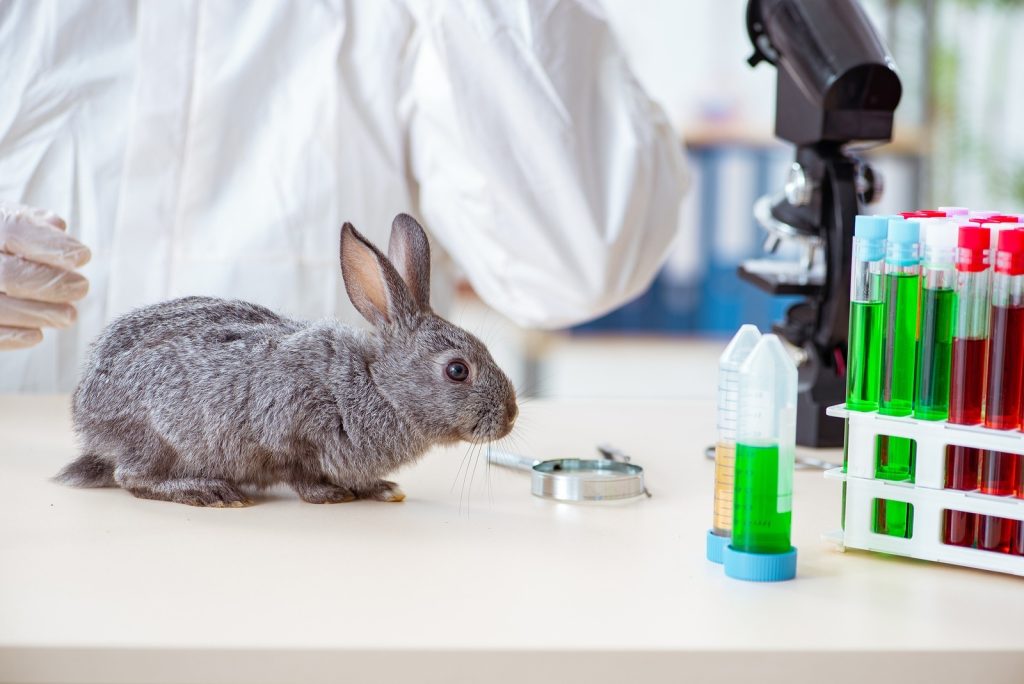
When it comes to animal testing, here at Agenda Life Sciences we always put welfare first – which is why it’s so heartening for us to hear that animal testing has fallen to its lowest level in scientific applications since 2007.
This is according to new statistics from the Home Office, revealing that 3.52 million procedures were carried out on living animals across England, Scotland and Wales in 2018, a drop of seven per cent on the year before, Metro reports.
In particular, the use of rats in experiments fell by 27 per cent, although the majority of procedures (93 per cent) were carried out on mice, fish and rats – which have been used predominantly for the last ten years.
The number of experiments on birds, meanwhile, rose from 130,000 to 147,000, while cats, dogs, horses and primates (all of which are specially protected) made up one per cent of procedures (18,000 in total).
The Home Office – responsible for regulation experiments on animals – has classified testing based on the amount of suffering it causes since 2014. Of the millions of procedures carried out last year, 38.9 per cent were considered mild, 14.7 per cent moderate and 3.6 per cent severe.
The stats also showed that experiments using cats dropped by 20 per cent but the number using dogs went up by 16 per cent and those on primates rose by eight per cent.
Commenting on the figures, director of policy, ethics and governance at the Medical Research Council Frances Rawle was quoted by the news source as saying: “The use of animals in medical research remains essential for us to develop new and better treatments and to understand the biology of disease.
“If researchers are applying for funding for studies involving animals, they must give clear scientific reasons for using them and explain why there are no realistic alternatives.”
At Agenda Life Sciences, we operate a programme that recognises how important welfare within the life sciences sector is. We believe that although animal research does continue to make a valuable contribution to the understanding and development of medical treatments, animals should be treated with dignity and respect at all times.
We support the reduction, refinement and replacement of the use of animals in research. However, until viable alternatives to animals are available across all areas of research, the animals being used in this way should be looked after by professional, well trained and dedicated individuals who are passionate about animal care and welfare.
Our programme is designed to deliver standards of animal care and welfare that consistently exceed regulatory requirements. Our assertion is that caring for the people who care for the animals supports and nurtures a culture of care within the life sciences sector.
Exclusive use of male mice is messing up scientific research for women…

Gender discrimination in science doesn’t just affect women scientists, it also skews the results of animal research a new paper finds. Rebecca Shanksy, a neuroscientist at Northeastern University in Boston, published a paper arguing that outdated stereotypes have skewed animal research results for decades and called for stricter requirements to include animals of both sexes.
The stereotype that the male mind is rational and the female one complicated and hormonal dates back centuries, but still seems to be affecting society today. It has skewed neuroscience research towards using almost exclusively male laboratory animals, the result of which has led to the development of drugs that work less well in women. Scientists believed that fluctuating female hormones would not produce correct results, therefore excluding female animals from research.
In her paper, Shanksy argues that “One of the most deep-seated misconceptions about the human psyche is that men are simple and women are complicated,” she wrote. “More than 100 years later, this idea still shapes not just how society perceives women but also how biomedical scientists approach animal research.” The skew is entirely unjustified by scientific evidence, and even found that if anything the hormones and behaviour of male rodents are more unstable than females.
This doesn’t mean that there are not important differences between males and females that scientists should consider. A number of factors can affect an animal’s response but that’s a variability that scientists have to accept and chronicle as part of their job, not just avoid. By excluding female animals from research, it can leave substantial blindspots in the eventual outcome. The argument that hormones negatively affect studies for female mice is hypocritical, as this is never an argument when using male mice for research as variations in testosterone can cause variations as much as oestrogen. When male animals are used for scientific research, most scientists consider hormone variability a non-issue.
For the last few decades, a male brain has become the baseline for a human brain, with potentially harming results. Shanksy agrees with this, arguing “On a clinical level, one of the things that has come out of not studying female animals has been a higher rate of adverse side effects for medications in women” Some treatments developed with animal research were later found to be a poor fit for women’s brains or bodies, specifically when it comes to mental illnesses such as depression and anxiety. Depression and PTSD are twice as prevalent in women than men, but tests designed to mimic their symptoms are typically developed and validated in male animals.
One example is the sleeping drug Ambien, which was tested on male mice then with men in clinical trials. After distribution, it was shown to be far more potent in women because it was metabolised more slowly causing more side effects and overdoses. Recommendations were changed in 2013, that women should only take half the dose that men do.
This is the root of a problem in scientific research, but it does not stop there. Clinical trials are often carried out in all-male groups, with some still arguing at this stage that female hormones will skew the findings. But that’s exactly why there needs to be a balance in research for both males and females. Different treatments and medications will impact men and women differently, just as illnesses and symptoms differ between the two sexes. By excluding one sex at the start of the research process sets a dangerous precedent, and one that will take some work to be rectified.

The uncertainty surrounding Britain’s prospective Brexit deal could be having a negative impact on the country’s employment, with the number of people in jobs having fallen for the first time since August 2018.
While the employment rate has been record-breaking for the last few months, it fell by 0.1 percentage points between March and May 2019 to 76 per cent.
This is when the UK was caught up in Brexit negotiations, with the government failing to establish an exit strategy before the agreed deadline of March 31st. The outcome of this continued disagreement among politicians would have meant leaving the European Union (EU) without a deal. However, Britain was given an extension until October 31st to agree a Brexit plan.
EU leaders granted this six-month extension to allow MPs enough time to come up with a solid strategy the majority could agree on.
Since then, Prime Minister Theresa May has resigned and a leadership battle between Boris Johnson and Jeremy Hunt has ensued. The deadline for Conservative party members to vote for a new leader is the week ending Sunday July 21st, with the new Prime Minister to be announced two days later.
While Mr Johnson is the favourite to win the contest, this leadership uncertainty has added even more ambiguity to British politics. Not only has it not cleared up the disagreements surrounding Brexit, but it has meant UK citizens do not even know who their next Prime Minister will be.
Therefore, it is not surprising that the first quarterly decrease in the employment rate since June to August 2018 was experienced while this confusion was taking place, according to the Office for National Statistics (ONS).
These figures coincide with the British Chambers of Commerce (BCC)’s Quarterly Economic Survey for Q1 2019.
According to this survey of more than 7,000 businesses, the percentage of companies trying to recruit new members of staff dropped from 67 per cent to 62 per cent during the first quarter of the year. This is the lowest level recorded since Q1 in 2012. Seventy-nine per cent of those that did attempt to hire new employees admitted to having “recruitment difficulties”, which is almost the record high.
Dr Adam Marshall, director general of the BCC, said: “Our findings should serve as a clear warning that the on-going impasse at Westminster is contributing to a sharp slowdown in the real economy across the UK.”
He went on to say: “The prospect of a messy and disorderly exit from the EU is weighing heavily on the UK economy, and must still be avoided.”
Despite this, the UK’s unemployment rate was still at 3.8 per cent, the lowest it has been since October to December 1974. Simultaneously, annual growth in average weekly earnings for British employees increased to 3.4 per cent for total pay (including bonuses) and 3.6 per cent for regular pay (excluding bonuses) between March and May 2019.
Therefore, there are still plenty of recruitment opportunities available for those looking for work, even with the current political instability.
For jobs in life sciences, take a look at what is available today.
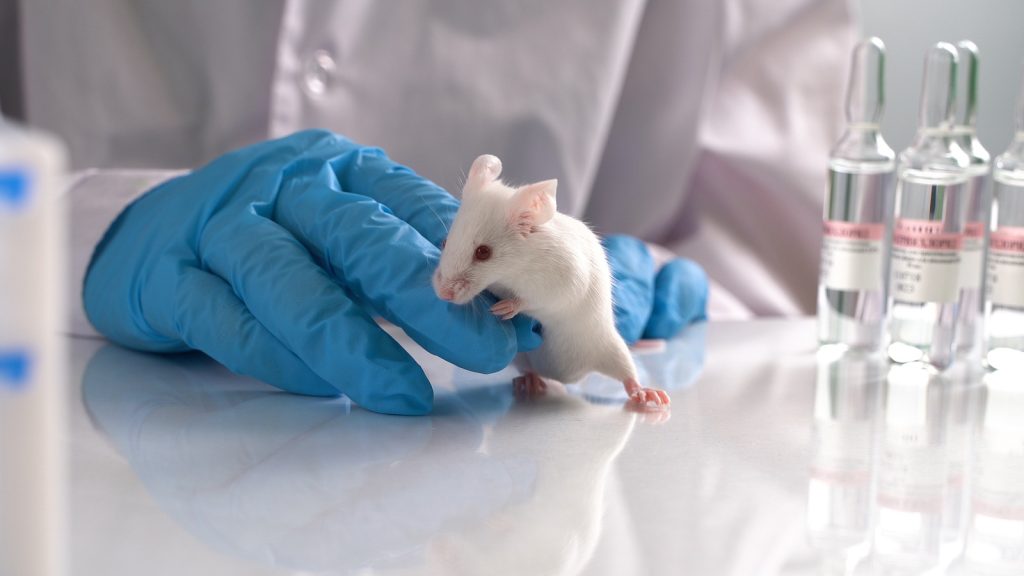
A major breakthrough in HIV treatment could be on the horizon after researchers revealed that they had managed to remove the HIV virus completely from mice.
In a new study released this month, the authors claimed that this is the first time the virus has ever been completely eradicated from a living animal’s genomes.
The paper was published in Nature Communications, and it detailed how they used two treatments together to remove the HIV virus.
Medical News Today explained that the first treatment involves a long-acting slow-effective release (LASER) type of antiretroviral therapy. When this was administered in conjunction with a second treatment – the removal of the viral DNA using a gene editing tool – the researchers were able to remove the virus in one-third of the animals.
In the mice that were treated with either the gene editing or the LASER therapy, there was a 100 per cent “viral rebound”.
Professor and chair of neuroscience at Temple University in Philadelphia, and co-senior author of the study, Kamel Khalili told CBS News that the important takeaway from their work is that both therapies need to be used to effectively remove HIV from the body.
The success of these trials in mice has now paved the way for further research, he added. “We now have a clear path to move ahead to trials in nonhuman primates and possibly clinical trials in human patients within the year,” he asserted.
The news provider explained that the difference between this new LASER antiretroviral therapy and the antiretroviral therapies currently taken by those with HIV is its long-lasting nature.
LASER antiretroviral drugs are placed in nanocrystals, which are able to travel to tissues in the body where the virus can be lying dormant. These nanocrystals are stored in the cells for a number of weeks, where they slowly release the drugs and fight the dormant virus.
The gene editing system, called CRISPR-Cas9, is a new treatment that “removes large fragments of HIV DNA from infected cells”, the news provider explained.
The reason for using the two treatments together is that the LASER antiretroviral drugs buy time for the gene editing to work. The drugs suppress the replication of the HIV virus, allowing for the removal of HIV DNA using gene editing, Medical News Today explained.
According to data from the World Health Organisation (WHO) last year, there were approximately 36.9 million people around the world living with HIV at the end of 2017, while 1.8 million people were newly infected in 2017.
Of those living with HIV, it’s estimated that 59 per cent of adults and 52 per cent of children are taking lifelong antiretroviral therapy.
While it’s still considered a major global public health issue, rates of HIV infection have been falling. WHO revealed that between 2000 and 2017, new infections dropped by 36 per cent and HIV related deaths dropped by 38 per cent.
Interested in working on medical research that could help improve the lives of people around the world? Look for animal technician jobs in the UK to see how you could contribute to medical research.

Agenda today is celebrating a Quintuple audit success after successfully passing audits for the following standards:
These audits were carried out by an independent UKAS accredited certification body.
These standards are an important part of Agenda’s overall governance and assurance regime. We firmly believe that having an externally verified Information Security, Data Protection, Quality and Environmental management system is an important to both our customers and Agenda as it demonstrates our commitment to excellence.
Well done everyone involved!
Agenda Life Sciences have this week been awarded as a Leader in Openness by Understanding Animal Research, we are one of the first organisations to gain this award, alongside 12 other organisations.

We are delighted to receive this award, especially given the process of the judging, winners were awarded following a three-stage assessment: a public panel, peer review and public review.
Chairman of the business, Paul Sanders, said “I am absolutely delighted that Agenda have been awarded ‘Leaders in Openness’. I was previously treasurer for UAR, so it’s always nice to see us do well with the Openness Award, especially in such a distinguished company of winners.”
Agenda were one of the first organisations from the life science community to sign the Concordat On Openness in 2012, the signatories include Universities, charities, commercial companies, research councils, umbrella bodies and these companies have all committed to help the public understand more about animal research.
Our Welfare First programme builds on our support of the concordat on openness, find out more about our position on research below.
Agenda Life Sciences supports the research community through the provision of services aimed at facilitating research. Agenda Life Sciences believes that whilst animal research continues to make a valuable contribution to scientific understanding and the development of medical treatments, the animals should be treated with dignity and respect at all times.
Agenda Life Sciences fully supports the Reduction, Refinement and Replacement of the use of animals in research. Until viable alternatives to animals are available for all areas of research, the animals should be cared for by dedicated, professional and well-trained individuals who care passionately about animal care and welfare.
Animal welfare is a priority, but so also is the welfare of the dedicated people working with the animals and also the welfare of the life science sector itself. Our ‘Welfare First’ programme is designed to consistently deliver standards of animal care and welfare that exceeds regulatory requirements. It puts in place the building blocks that underpin effective care and welfare; it is Agenda’s assertion that caring for the people that care for the animals in turn supports and nurtures a culture of care within the life science sector.
For more information on this award or our Welfare First programme, please get in touch with us at hello@agendalifesciences.co.uk
It’s only May and my nose has done more running than Mo Farrah.
When you think of summer you generally picture hazy sun filled days spent on the beach, out in the countryside or down the local beer garden.

Whilst it’s the season that many enjoy and long for most, for others it conjures up images of running noses, streaming eyes, sore throats, persistent itching and sneezing.
Hay fever is one of the most common allergic conditions with approximately 10 million people in the UK blighted by it each year. Although you’re more likely to develop hay fever if you have a family history of allergies, particularly asthma (cheers dad!) or eczema, the bad news is that you can develop it at any time.
The internet is awash with home remedies, prevention tips and cures to beat this seasonal irritation. Rather than offer advice that my mate’s nan swears by; I’ve done some digging to attempt to work out what we actually know to true!
In the early 19thcentury it was assumed that freshly cut grass was causing the problem, thus leading to the name. You know what they say about assuming though… James Bostock, a British Doctor and sufferer of the symptoms, managed to correctly identify that hay was not the cause but still missed the point slightly and took a stab at the heat being the cause.
Step forward Charles Blackley, another hay fever suffering scientist. In 1859, Charles was ‘spot on the money’ in figuring that pollen was to blame and even managed to identify that lighter pollen from grass/trees was more likely to induce symptoms as it became air easier. When I said, ‘spot on’, Charles didn’t quite get it 100% and figured that it caused by a result of toxins in the pollen.
Today we know that certain kinds of pollen cause overreactions in the immune system which leads the body to treat it as a virus, which triggers those lovely symptoms.
Sweden has given us lots of little joys: Ikea, Meatballs and Zlatan Ibrahimović spring to mind. They also offered hope to long time sufferers with research that suggested it was most likely to disappear in your 50’s. Much like an Ikea instruction manual that advises a build time of 20 minutes and no previous joinery experience, you can’t believe everything you read. Research has suggested that people can go most of their life with no symptoms and experience them for the first time in their 30’s/40’s.
Generally speaking, although cases are unfortunately on the rise, half the people with hay fever typically find their struggle reduces with age and for an enviable 20%, they even disappear.
This one sounds like an old wives’ tale to me and research suggests that there’s no need to be busting out any rain dances to catch a break from sneezing.
Light to moderate rainfall can actually help but heavy rain can have the adverse effect. In South Korea data shows a rise in outpatient visits with symptoms following periods of heavy rain/typhoons.
10cm is the magic number apparently.
A 14-year review of meteorological data in the US found that pollen levels fell after less than 10cm of rain but rose after exceeding it.
We’re entering into difficult territory here. The short version is that it really depends on where you live, which grasses are common in the environment and which you’re allergic to.
The standard advice to sufferers is to stay indoors and wait until the evening to venture out, just like vampires but for different reasons. Staying inside can obviously help but it’s really that simple.
Levels of pollen across plants/grasses such as mugwort and ragweed vary greatly. Mugwort pollen is lower at night but ragweed is can actually be higher. How easily the pollen becomes airborne and how far it travels, really does make this a tricky one.
Honey has long been promoted as a home remedy to ease symptoms but there’s actually very little research to support it. In fact, the best case for honey is from a small pilot study in Finland in which suggested participants found a ‘marginal difference’.
Gin seems to be a newer suggestion, it’s one that I like and intend to look into rather selflessly to personally further science. As alcohol contains histamine and sulphite, the Met Office recommends you avoid it as these are two of the main causes of the summer sneezes.
Can’t see that happening? No neither can I.
Where Gin actually may be more promising is that according to my new favourite research foundation, Asthma UK, strong spirits are relatively low in these chemicals and pure Gin often contains no histamine at all.
Good old reliable Gin.